We all want our children to grow into independent people. To think critically, develop opinions of their own and have the courage to stand up for themselves. But what happens when those opinions do not align with what we, as adults, have in mind?

As a mother of three children, I see how relationships change as children grow older. They develop their own ideas, preferences and beliefs, and that is exactly as it should be. After all, parenting is not about raising a smaller version of yourself, is it? But that does not mean that all interests automatically align. Sometimes a wish is difficult to arrange in practical terms, sometimes as a parent you sincerely believe another choice would be better, and sometimes you have to acknowledge that your own expectations also play a role.
But where there is friction is where things become interesting…
The UN Convention on the Rights of the Child gives children the right to express their views on matters affecting them. Those views must be given due weight, depending on their age and development. This is more than a friendly recommendation to listen to children from time to time. It means that their perspective must genuinely be taken into account when adults make decisions that affect their lives.
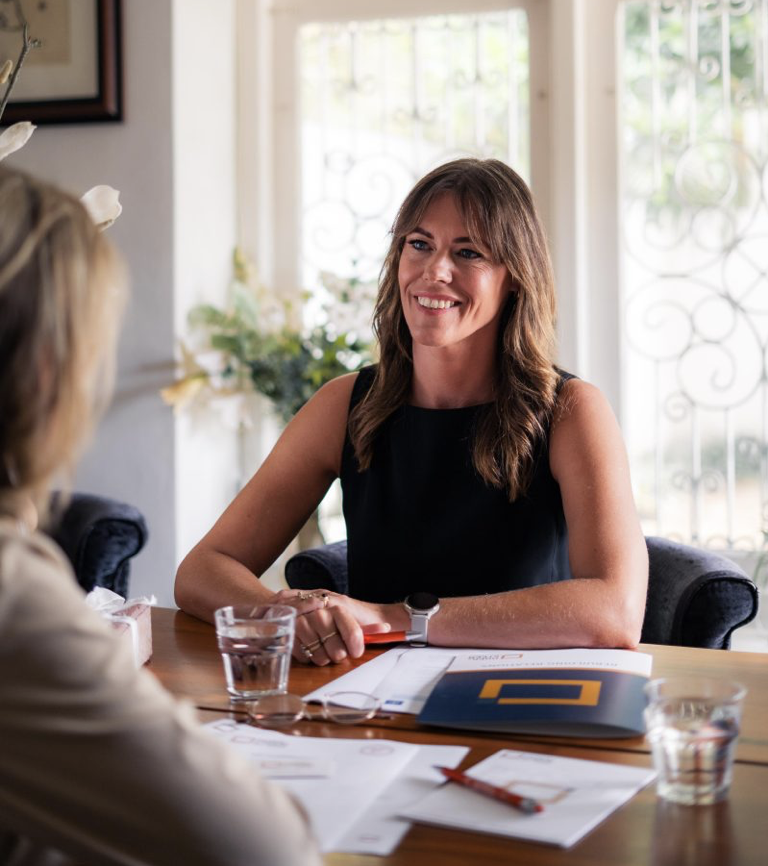
In our work as mediators, we see how complicated this can be. For example, when divorced parents cannot agree on a choice of school or the arrangements for the children's care. One parent considers stability and familiarity important, while the other sees opportunities in change and new experiences. Both may sincerely want what is best for their child, but that does not automatically mean that their ideas are the same as their child's best interests.
And then there is the child itself. Perhaps it is most attached to the friendships it has built, or perhaps it longs for more of a challenge. Or perhaps it has no strong preference at all, but above all wants its parents to stop arguing.
The latter touches on an important distinction. Children have the right to a voice, but they should not have to bear responsibility for decisions that adults cannot reach together. Especially in the event of a divorce, it takes care to involve children without making them feel they have to take sides. And there are always more interests at stake than just those of the child. Our work schedules, travel times, financial means, beliefs and emotions all help determine what is feasible. This applies to divorced parents, but equally to parents who live together. The challenge is to acknowledge these different interests without losing the child's voice in the process.
The main question is whether we are aware of this. Whether we are willing to distinguish between what a child needs, what we as parents consider important and what is practically possible. And whether we can continue talking about it, even when there is no simple answer or when we are separated.
Perhaps that is the everyday meaning of children's rights. Not the expectation that adults will always make the right choice, but the willingness to keep taking children's perspectives seriously.
Because the child's best interests are not an argument for ending a discussion. They are a question you must dare to keep asking yourself.